
Why Does Every French Form Need a Utility Bill?
In France, no matter what you’re trying to do — open a bank account, register a car, rent a van from Super U — someone, somewhere, is going to ask you for a justificatif de domicile.
That’s proof of residence, for the uninitiated.
Or, as I’ve come to think of it: the document that quietly controls your entire existence.
Now you’d think there’d be some flexibility here. I mean, if your name is on a lease, or a phone bill, or a letter from the tax office — surely that proves you live where you say you live.
Nope.
It has to be a utility bill.
And not just any utility.
Not your cell phone. Not your internet. Not even water, unless it’s from the right provider. It has to be electricity. Maybe gas. With your exact name, your exact address, and dated within the last three months.
Anything else and you’ll be gently flagged as the American who thinks an image on his iPhone carries the same authority as a paper document printed, filed, and quietly judged.
Renting a van to haul furniture two miles? Bring the EDF bill.
Applying for a driver’s license exchange? Bring the bill.
Registering literally anything? Bring the bill.
Joining a local pétanque club? Okay, maybe not — but I wouldn’t bet against it.
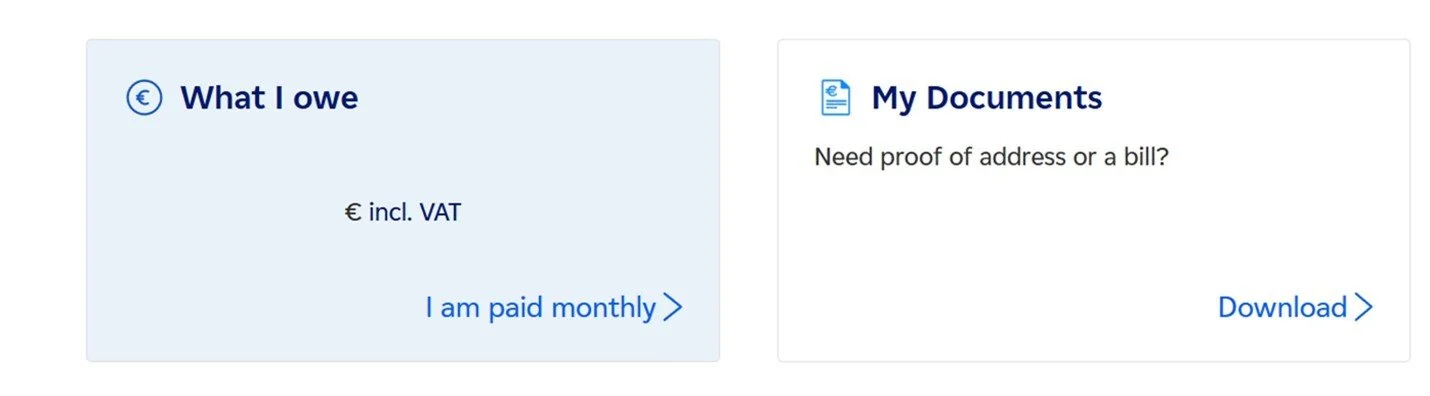
At this point, I carry a printed copy in the glove compartment. Just in case. I’m only half joking when I say I expect to be asked for it the next time I order a coffee.
And here’s the part that really seals it: on the electric company’s website — front and center on the customer page — it literally explains that this document exists to prove where you live.
Because they don’t actually trust you when you say where you live.
They trust the electric company.